How is it produced?
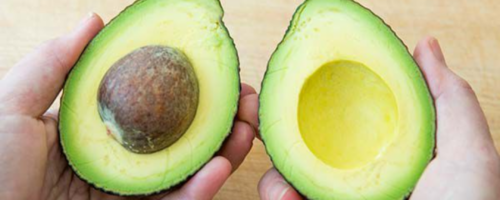
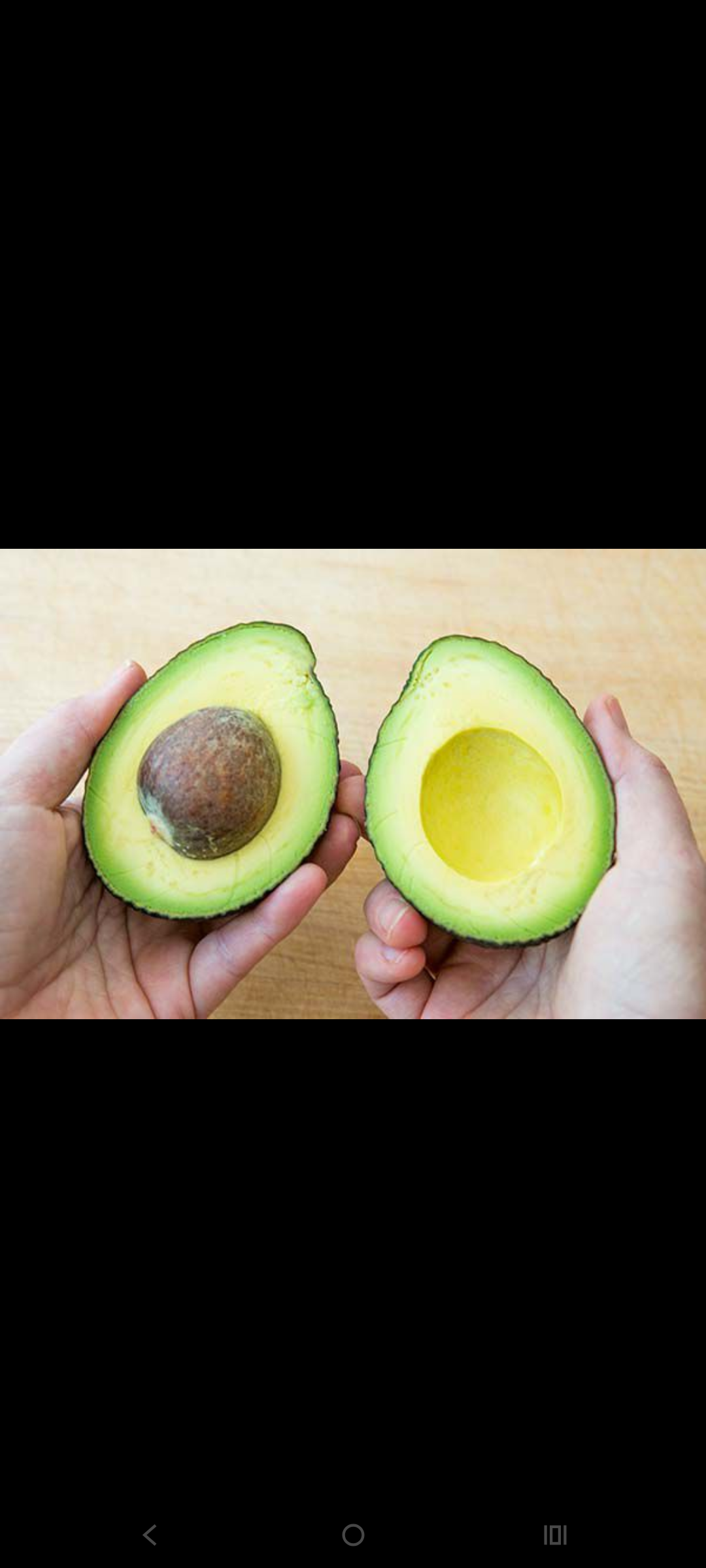
Avocados (Persea americana) in Jalisco are grown in a mix of traditional and more modern ways, depending on the farm. Most growers start by grafting avocado trees, which basically means combining a strong root system with a branch that produces good-quality fruit—usually the Hass variety since that’s what most of the world buys. The orchards are typically located in higher elevation areas with rich volcanic soil and a warm climate, which creates really ideal growing conditions (World Resources Institute, 2020). Once planted, it takes a few years before the trees actually start producing fruit, so it’s definitely a long-term investment.
Harvesting is still pretty hands-on. Workers pick avocados carefully using poles and baskets so they don’t bruise the fruit, since even small damage can affect how it sells (Avocados From Mexico, n.d.). At the same time, a lot of farms in Jalisco are becoming more high-tech, using irrigation systems and even things like sensors or drones to improve efficiency and yields (FreshPlaza, 2018). After the avocados are picked, they’re sorted, cooled, and packaged before being shipped off—often to places like Canada or the U.S. Overall, it’s kind of a blend of old-school farming and newer technology, all driven by how popular avocados have become globally.
Describe the supply chain to the store shelf in Canada:
The journey of an avocado from Jalisco Mexico to a grocery store in Canada is actually pretty long and carefully managed. It starts on farms in regions like southern Jalisco, where avocados are grown and picked by hand once they reach the right level of maturity—not ripeness, since they don’t fully ripen until later. After harvesting, the fruit is taken to nearby packing facilities where it’s washed, sorted, and graded based on size and quality. From there, the avocados are cooled quickly to slow down the ripening process and packed into boxes for export (Avocados From Mexico, n.d.). Next, they’re transported—usually by refrigerated trucks—to the U.S. border or directly to export hubs, and then shipped into Canada. Because avocados are perishable, they stay in a “cold chain,” meaning they’re kept at controlled temperatures the whole way to prevent spoilage (World Resources Institute, 2020). Once they arrive in Canada, importers and distributors send them to warehouses and then on to grocery stores. By the time you see them at places like a supermarket, they’re often still firm. Stores sometimes use ripening rooms with controlled temperature and ethylene gas to get them ready for sale. So even though an avocado looks simple on the shelf, it’s actually gone through a pretty complex global supply chain to get there.
What is the power balance between the producer and seller?
When you look at the power balance in the avocado industry, it’s not just about farmers versus big grocery chains—it also plays out within local communities in Mexico. In some regions, especially in neighboring Michoacán and parts of western Mexico, organized crime groups have been reported to pressure avocado growers through extortion, land control, or “protection” payments. That means farmers can end up stuck in the middle, dealing with both global market demands and local insecurity (International Crisis Group, 2020). Because of this, some journalists have even compared avocados to “blood diamonds” or called them “green gold,” to highlight how a popular global product can be tied to exploitation and violence (Lavelle,2018).
At the same time, there’s also growing pressure on the environment. Avocados are a water-intensive crop, with estimates suggesting it can take around 1,000–2,000 litres of water to produce one kilogram of avocados, depending on the region and farming methods (World Resources Institute, 2020). In places like western Mexico, this has contributed to concerns about water shortages and the clearing of forests to make way for new orchards. In some cases, illegal deforestation has been linked to the expansion of avocado farming, especially in highland forest areas.
Because of these combined social and environmental impacts, some consumers—particularly in parts of Europe—have started questioning or even avoiding avocados altogether. While it’s not a full-scale boycott, there have been campaigns and media coverage encouraging people to think more critically about where their food comes from and the hidden costs behind it.
So the avocado isn’t just a simple product on a grocery shelf—it reflects a much bigger system where global demand, local power struggles, and environmental pressures are all connected.
Can you recommend changes to the system to improve the balance?
When thinking about how to improve the balance in the avocado system, it feels like the solution isn’t just one thing—it’s a bunch of changes across the whole chain. On the production side, there definitely needs to be stronger oversight and protection for farmers. Right now, reports show that in some regions growers are dealing with pressure not just from global markets, but from local power issues as well, which makes it really hard for them to actually benefit from what they produce (International Crisis Group, 2020).
At the same time, the environmental side can’t be ignored. Avocados use a lot of water and are linked to deforestation in some areas, so stronger rules around where and how they’re grown would help reduce that pressure (World Resources Institute, 2020). But maybe this goes even further—maybe there needs to be more global environmental standards, not just local ones. If a product is consistently linked to deforestation or major environmental damage, there’s an argument that countries should be setting stricter limits or even restricting imports unless those products meet clear sustainability standards.
A big part of the responsibility should also fall on places like Canada. Retailers here have a lot of power, and they could be doing more—like actually asking where their avocados are coming from, prioritizing organic or sustainably grown products, and not just buying the cheapest option available. They could also think about sourcing more seasonally instead of expecting year-round supply no matter the cost.
And maybe this is where society has to shift a bit too. It kind of makes me think of when we were kids and certain foods—like mandarin oranges at Christmas—felt special because you only got them at certain times of the year. Maybe avocados don’t need to be an everyday item. If they were treated more like a seasonal or occasional food, it could take some pressure off both the environment and the people producing them.
There’s already been some pushback from consumers, especially in Europe, where people are starting to question the impacts behind products like avocados (Lavelle,2018). So overall, creating a fairer system probably means spreading responsibility out more—so it’s not just farmers carrying all the risk, but also retailers, governments, and even us as consumers making more thoughtful choices.
References/Resources:
Lavelle, D. (2018, December 10). Should you stop eating “blood avocados”? The Guardian. https://www.theguardian.com/food/shortcuts/2018/dec/10/should-you-stop-eating-blood-avocados
Agro González Mex. (n.d.). Jalisco: Land of the best avocados. https://www.agrogonzamex.com/en/post/1/jalisco-land-of-the-best-avocados
Avocados From Mexico. (n.d.). The avocado journey. https://avocadosfrommexico.ca/avo-101/avocado-journey/
World Resources Institute. (2020). Will Mexico’s growing avocado industry harm its forests?
https://www.wri.org/insights/will-mexicos-growing-avocado-industry-harm-its-forest
Spörchia, F., Tamea, S., & Laio, F. (2021). The global virtual water trade of avocado. Journal of Cleaner Production, 285, 124911. https://doi.org/10.1016/j.jclepro.2020.124911
World Resources Institute. (2020). Will Mexico’s growing avocado industry harm its forests? https://www.wri.org/insights/will-mexicos-growing-avocado-industry-harm-its-forests