

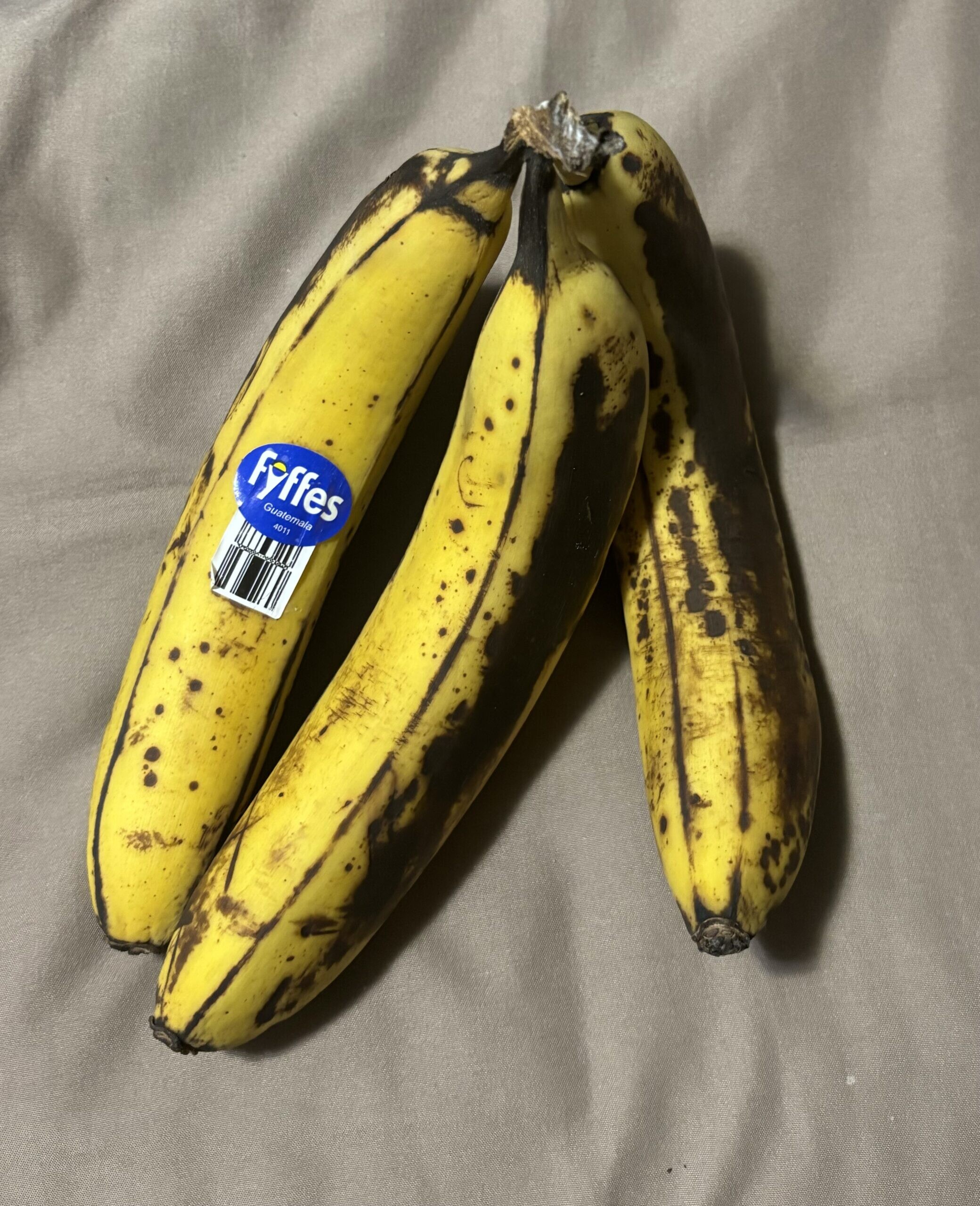
La Gomera, Guatemala
How is it produced?
Fyffes Bananas are produced on a large scale through agricultural farming in tropical regions, in this case specifically in Guatemala. The Bananas are grown in plantations by farmers who plant, maintain and harvest them.
Describe the supply chain to the store shelf in Canada:
After harvesting, the Bananas are sent in large temperature-controlled shipping containers at 13.5°C. These containers board ships that sail to warehouses around the world. Once arriving in Canada, the bananas are moved through a system controlled by multinational corporations. These corporations then connect importers, distributors and wholesalers who manage product distribution. Bananas are then delivered to grocery stores, where they are sold in the produce section.
What is the power balance between the producer and seller?
The power balance between producers and sellers within the Fyffes banana supply chain is very unequal. Power lies in the hands of the multinational companies that control most of the system, while the producers (farmers) who focus on growing and harvesting the products have little to no control over pricing, access and distribution. Research on the specific process within the multinationally controlled supply chain lacks transparency, making it difficult to track how value is further reinforcing corporate control.
Can you recommend changes to the system to improve the balance?
Firstly, strengthening labour rights and unionization is a key step in improving the power imbalance between producers and sellers. Workers in Guatemala who can unionize experience better wages and working conditions, while those who are under private systems undergo harsher treatment. Improving transparency within the supply chains can also improve the imbalance by forcing companies to expose practices, wages and product distribution in order to keep them accountable.
References/Resources:
Anner, M. (2023). The contested terrain of global production: collective versus private labour governance on Guatemalan banana plantations. Review of International Political Economy, 1–27. https://doi.org/10.1080/09692290.2023.2200964
Engbers, N. (2020). Bananas Blockchained: blockchain adoption in banana supply chains.https://edepot.wur.nl/569982
Hough, P. A. (2012). A Race to the Bottom? Globalization, Labour Repression, and Development by Dispossession in Latin America’s Banana Industry. Global Labour Journal, 3(2). https://doi.org/10.15173/glj.v3i2.1121