

Malaysia
How is it produced?
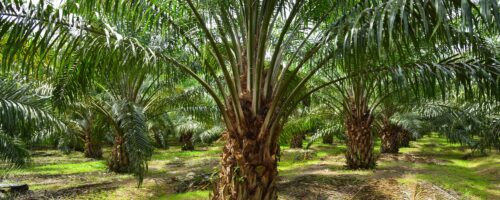
Palm oil is produced from the fruit of the oil palm tree, which grows in tropical regions such as Indonesia and Malaysia. After the fruit is harvested, it is transported to processing mills where the fleshy outer portion of the fruit is pressed to extract crude palm oil, while the kernel inside can be processed separately to produce palm kernel oil. The crude oil is then refined and incorporated into a wide variety of consumer products, including foods, cosmetics, and cleaning products.
Describe the supply chain to the store shelf in Canada:
The palm oil used in Nutella begins on plantations in countries such as Malaysia, Indonesia, and Papua New Guinea, where the fruit is harvested and processed into crude palm oil. The oil is then refined, shipped to Ferrero manufacturing facilities, and incorporated into Nutella. Finished products are distributed through international transportation networks to retailers and grocery stores. This supply chain is made possible by global trade systems, modern shipping, and certification frameworks such as the Roundtable on Sustainable Palm Oil.
What is the power balance between the producer and seller?
The power balance within the palm oil supply chain is not entirely one-sided. While growers and plantation workers produce the raw commodity, multinational corporations such as Ferrero possess greater influence through their purchasing decisions and sustainability requirements. At the same time, non-profit organizations help balance this relationship by establishing standards related to labour rights, human rights, and environmental sustainability that both producers and corporate buyers are expected to follow. As a result, power is distributed among producers, corporations, and transnational governance institutions rather than being concentrated solely in one actor.
Can you recommend changes to the system to improve the balance?
One way to improve the balance within the palm oil supply chain would be to expand support for smallholder farmers and increase transparency throughout the production process. Greater investment in independent monitoring, fair compensation, and worker protections could help ensure that the economic benefits of palm oil production are shared more equitably. Strengthening certification standards and increasing cooperation between governments, corporations, and non-profit organizations further improve accountability while promoting environmental sustainability and respect for human rights.
References/Resources:
Britannica Editors. (n.d.). Oil palm. Encyclopaedia Britannica.
https://www.britannica.com/plant/oil-palm
Roundtable on Sustainable Palm Oil. (n.d.). Labour & human rights. RSPO.
Roundtable on Sustainable Palm Oil. (n.d.). Our reach. RSPO.
World Wide Fund for Nature. (2024). Palm Oil Buyers Scorecard 2024. WWF.
https://palmoilscorecard.panda.org/