
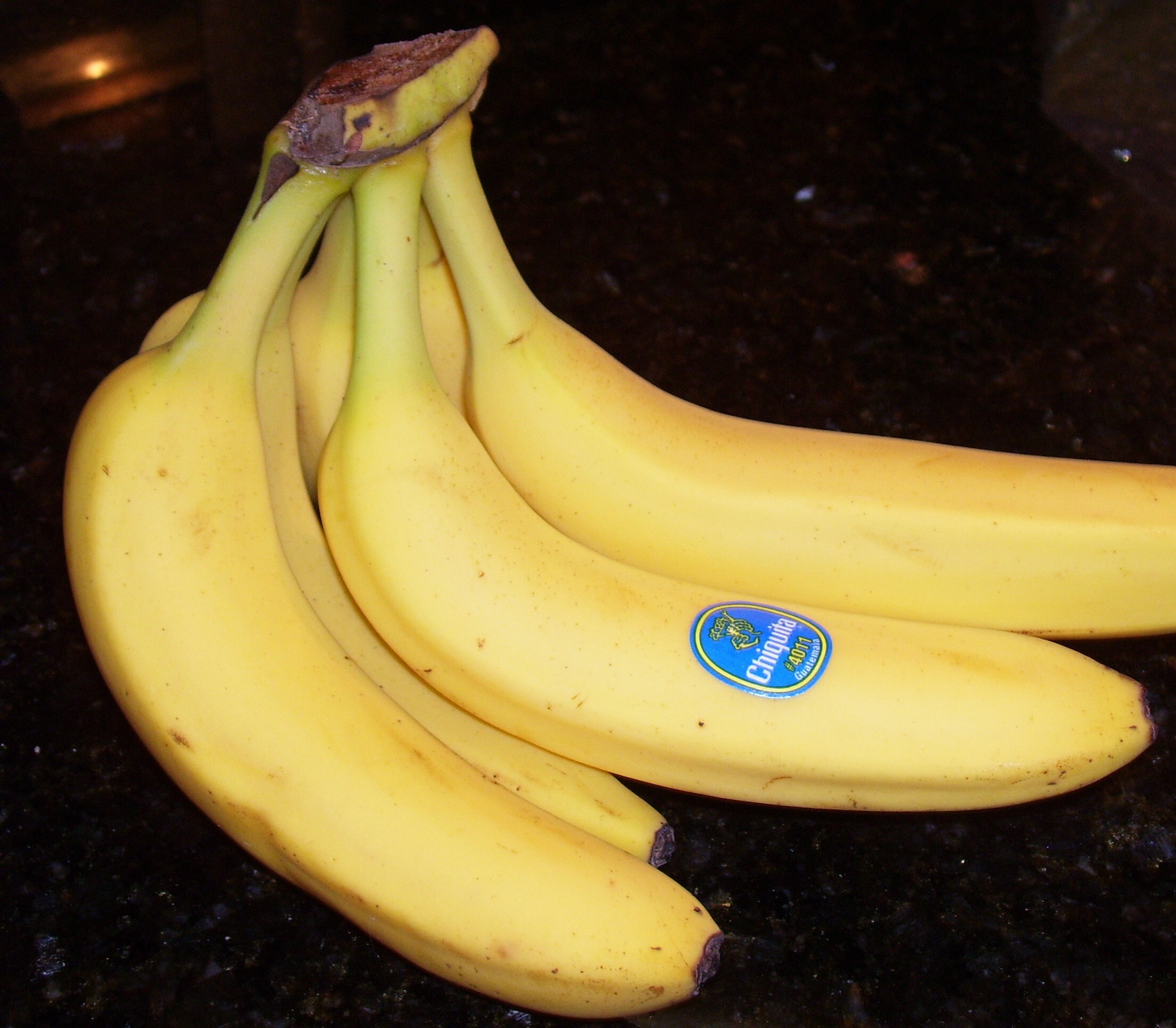
Guatemala City
How is it produced?
Cavendish bananas are grown in tropical plantation systems. They are harvested while still green, washed, sorted, packed into boxes, cooled, and shipped by refrigerated transport.
Describe the supply chain to the store shelf in Canada:
The bananas move from plantations in Guatemala to packing facilities, then to export ports. From there, they are shipped in refrigerated containers to North America. Importers, distributors, and grocery retailers then move the bananas through ripening facilities and into Canadian grocery stores.
What is the power balance between the producer and seller?
The power balance is unequal. Workers and small producers have less bargaining power because bananas are perishable and depend on access to exporters, shipping systems, and retail contracts.
Can you recommend changes to the system to improve the balance?
Yes. Retailers should pay prices that make living wages possible. Governments should require stronger human rights and environmental due diligence in grocery supply chains.
References/Resources:
Agriculture and Agri-Food Canada. (2025). Sector trend analysis: Trade overview: Canada’s trade performance to Latin American and Caribbean markets. Government of Canada.
Fairtrade International. (n.d.). Bananas. Fairtrade International.
Food and Agriculture Organization of the United Nations. (2026). Banana market review: Preliminary results 2025. FAO.
Oxfam. (2018). Ripe for change: Ending human suffering in supermarket supply chains. Oxfam International.
Public Eye. (2026, April 21). Toxic bananas: Chiquita’s plantation workers toil on a piecework basis for rock-bottom wages and suffer from pesticides. Public Eye.
World Trade Organization. (n.d.). European Communities — Regime for the importation, sale and distribution of bananas: DS27. WTO.